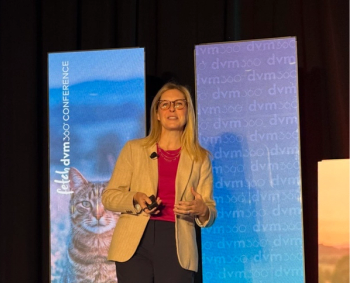
Sea You at Fetch Long Beach
|Videos|April 18, 2022

3 Must-sees on why Fetch faculty loves Fetch dvm30® conferences

3 noteworthy Fetch faculty members reveal why they find Fetch dvm360® conferences particularly valuable and enjoyable

When asked what they love most about our conferences, these Fetch faculty members divulged their rave reviews. The universal theme appeared to be the fun learning environment, comradery among colleagues, plus more.

From Tasha McNerney, CVT, CVPP, VTS (Anesthesia and Analgesia) to Steve Dale, CABC,—hear from a variety of our Fetch faculty on the topic. Happy watching!

  1. Meet the Fetch Faculty Tasha McNerney, CVT, CVPP, VTS (Anesthesia and Analgesia): Part 1: McNerney attributes her love for Fetch dvm360® conferences to the lighthearted atmosphere and insightful veterinary lectures.
  2. What Steve Dale loves about Fetch dvm360® conferences: Dale notes he is a fan of our conference's intimate atmosphere which inspires more conversation among veterinary professionals.
  3. Meet the Fetch Faculty Stephen Cital, RVT, SRA, RLAT, CVPP, VTS-LAM (Res. Anesthesia): Part 1: Cital appreciates the networking opportunities that Fetch dvm360® conferences offer and enjoys the in-person lectures that promote better information retention.

Our Fetch dvm360® conference in Charlotte, North Carolina is this Friday! You can still register and learn more here.


Related to this article

Q&A: Caregiver burden can begin early in pet illness. Are veterinary teams equipped to support clients, and how can veterinary social workers help both parties?
Caroline Cox, LSW, MSW, and Erika Krick, VMD, DACVIM (Oncology), discuss the role of veterinary social workers in supporting clients, communicating with veterinary teams, and helping practices address the human side of veterinary care in this Q&A from an interview at the 2026 Fetch National Harbor Veterinary Conference.

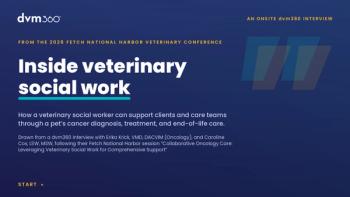
Inside veterinary social work
In a slideshow drawn from an on-site dvm360 interview at the 2026 Fetch National Harbor Veterinary Conference, a veterinary oncologist and a veterinary social worker walk through how the role supports owners and staff across a pet's cancer diagnosis, treatment, and end-of-life care.