




Feline Medicine
Latest News
Advertisement
Latest Videos




Shorts
3:00
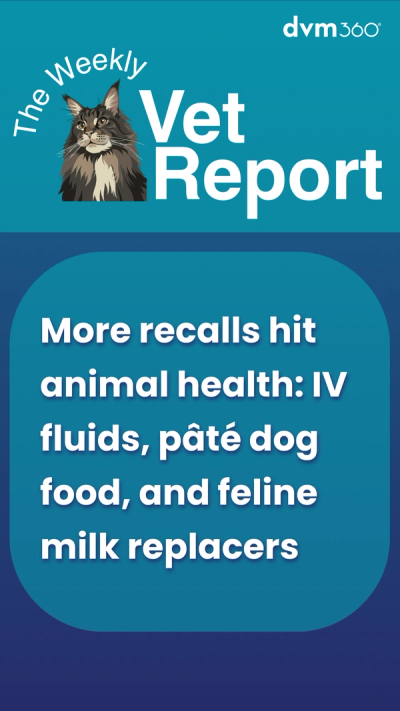
More recalls hit animal health: IV fluids, pâté dog food, and feline milk replacers
9 days ago
by
Abi Bautista-Alejandre, Assistant Editor
3:00
Did you miss the 2026 AVMA Convention? Here are 3 clinical updates worth knowing
a month ago
by
Abi Bautista-Alejandre, Assistant Editor

0:33
Teaching feline communication can help prevent stress-related health issues
2 months ago
by
Tiffany Tupler, DVM, CBCC-KA, HABc(+1 more)

0:47
Why SGLT2 inhibitors may cost less than insulin in the long run
2 months ago
by
Ellen N. Behrend, VMD, MS, PhD, DACVIM(+1 more)

0:38
SGLT2 inhibitors: Do cats need blood ketone monitoring?
2 months ago
by
Ellen N. Behrend, VMD, MS, PhD, DACVIM(+1 more)

0:46
Cats hide disease — dentistry can catch it
2 months ago
by
Heidi Lobprise, DVM, DAVDC
2:20
Weekly Vet Report: FIP's shorter treatment window, lone star ticks driving red-meat allergies & more
2 months ago
by
Abi Bautista-Alejandre, Assistant Editor

4:00
Weekly Vet Report: Cat-to-human bird flu transmission, a new injectable for itchy dogs, and a major raw pet food recall
3 months ago
by
Abi Bautista-Alejandre, Assistant Editor

3:00
Weekly Vet Report: FDA approves feline hypertension drug, injectable BOAS therapy shows early promise, and more
4 months ago
by
Abi Bautista-Alejandre, Assistant Editor
0:44
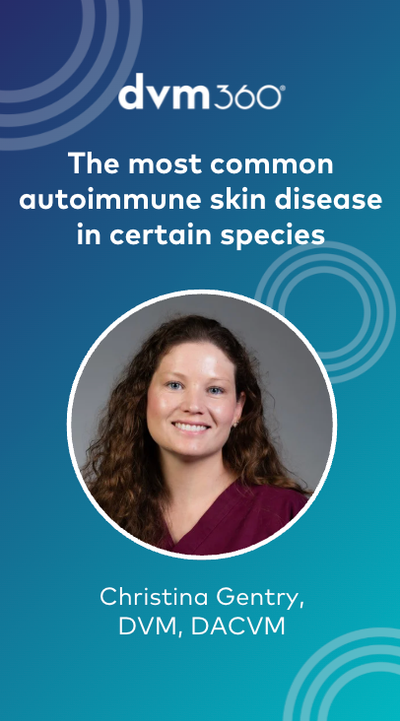
Understanding the most common autoimmune skin disease in certain species
4 months ago
by
Christina Gentry, DVM, DACVD(+1 more)
Podcasts








CE Content
























Advertisement
More News

After months of unexplained illness, Spot the kitten was diagnosed with a portosystemic shunt and underwent successful surgery at Washington State University's Veterinary Teaching Hospital.

What veterinarians get wrong about laser therapy, and where it actually pays off.
Suffolk County, New York, has logged 4 probable or confirmed human cases of tularemia this year. Here's what veterinary teams should know about the zoonotic disease, including its clinical signs, diagnosis, and treatment in animals.

After accidentally receiving a dog's hydrocodone instead of thyroid medication, a geriatric cat made a full recovery with prompt veterinary care.
From the fear of diabetic ketoacidosis to the real cost of monitoring, Ellen Behrend, VMD, MS, PhD, DACVIM (SAIM), makes the case that SGLT2 inhibitors are safer and easier to use in cats with diabetes than many practitioners assume, and explains who the right candidate is.

At the 2026 AVMA Convention, Will P. Rausch, DVM, DACVIM (Cardiology), discussed where NT-proBNP fits in feline cardiomyopathy screening and why the test should be used as part of a broader diagnostic approach.
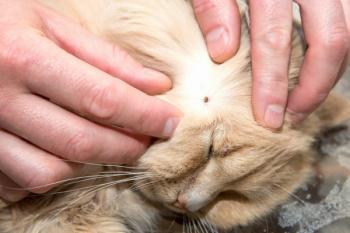
A fatal feline case near Oklahoma City spotlights cytauxzoonosis, a fast-moving, often-lethal tick-borne disease with a narrow treatment window.

Texas A&M researchers detected Rickettsia typhi and Bartonella species in fleas pulled from domestic cats in the Rio Grande Valley, reinforcing the case for year-round parasite control.

As clients’ desire for feline veterinary hospice care grows, be ready to discuss end-of-life care recommendations that best suit the cat’s and family’s needs and resources.
Mark J. Acierno, DVM, MBA, DACVIM (SAIM), discusses treatment strategies for CKD-associated anemia, appetite support, and how FGF-23 testing can help guide phosphorus restriction in cats.

The updated guidelines recommend SGLT2 inhibitors as first-line therapy for many cats with diabetes and detail patient selection, β-hydroxybutyrate monitoring, diet, and when to switch to insulin.

As companion cats continue to benefit from veterinary medical progress in disease management and live well into their “ninth life” stage, cat caretakers’ desire for veterinary hospice care may intensify.
Generic Nitenpyram Tablets become the first generic animal drug authorized under an FDA Emergency Use Authorization to treat New World screwworm myiasis in eligible dogs, cats, puppies, and kittens.

A list of available treatments for screwworm infestations in cattle, horses, sheep, goats, deer, swine, cats, dogs, exotic, zoo, and wildlife species, as well as guidance for practitioners before using these products.
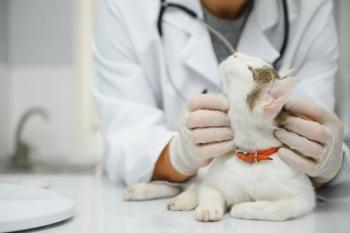
The new guidelines are the American Animal Hospital Association’s first recommendations to focus on feline diabetes.
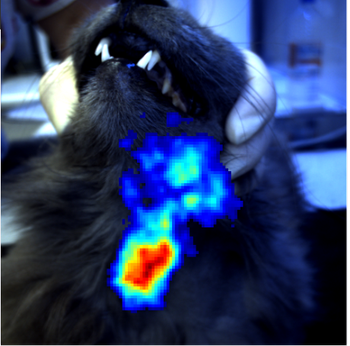
A portable gamma–optical camera brings point-of-care thyroid imaging into veterinary practice, with a new hybrid system used in Greece to evaluate cats with known or suspected hyperthyroidism.
A public health investigation documented the transmission, but risk continues to remain low.

Feline vaccine may soon be available on the European market
Published: | Updated:
The European Medicines Agency has recommended Nobivac NXT HCPChFelV for market authorization in the European Union.

A first-of-its-kind FDA approval for canine behavioral conditions, a potential milestone in veterinary vaccine technology, and new research complicating the picture of how H5N1 moves through dairy farm environments.

Hill’s Pet Nutrition releases first kitten-focused report to support early-life development and care
The report designates the first 12 months of a cat's life as a critical pediatric period, with implications for nutrition, vaccination timing, early sterilization, and shelter foster programs.

The new formula aims to address two common issues simultaneously.
After years of off-label use, veterinarians now have the first FDA-approved amlodipine formulation specifically indicated for cats with systemic hypertension.

Researchers have created the first large-scale genetic map of feline cancer, sequencing nearly 500 tumors across 13 cancer types and uncovering actionable mutations that could guide treatment in both cats and people.

A weekly look at the stories shaping veterinary medicine—from emerging outbreaks and policy shifts to scientific advances and industry news—all delivered in under five minutes.

New study results from Gallant show that 76% of cats improved after receiving intravenous uterine-derived mesenchymal stromal cell therapy, an immune-modulating treatment that doesn't require patient-derived cells.
Advertisement
Advertisement
Trending on dvm360
1
AAHA releases new diabetes management guidelines for dogs
2
Multiple chronic diseases compound to shorten dogs' lifespans, study finds
3
How freeze-dried plasma research could pave the way for innovative synthetic blood products
4
FDA emergency authorizes Capstar, generic nitenpyram to prevent and treat New World screwworm in dogs and cats
5